How Much Money Do You Need to Start Dropshipping?
How Much Money Do You Need to Start Dropshipping?
The eCommerce market is expected to grow by 15% per year in the UK and be worth more than $900 million USD by 2030. The barrier to entry can be high for e-commerce businesses. Startups need inventory, warehouse space, and marketing campaigns before they see a profit.
Dropshipping is a low-barrier eCommerce business model. Dropshippers operate a storefront and rely on third-party suppliers to fill orders. This business model can lower startup costs.
It is cheaper to start a dropshipping business than a traditional e-commerce business. However, dropshipping is not free. The price tag for getting into the business can vary, depending on the goals, size of the business, and the tools.
It's essential for new dropshippers to understand startup costs and ongoing expenses. Long-term budget planning is essential for success.
Do You Need Money to Start Dropshipping?
People who believe online buzz might think that £0 startups are possible. Technically, someone could use a £0 "bootstrap" approach to start a dropshipping business. This would involve a free trial or demo from a storefront provider. Also, they would need to only use organic marketing via Instagram and TikTok.
It takes time to build up an audience. The bootstrap approach also assumes the dropshipper will choose the right products. And, it also requires that they don't make any costly mistakes.
Mistakes are part of the process for every new business. Success and financial freedom don't come overnight. Dropshipping has a learning curve. Even the most successful storefront owners start with trial and error. This is why a pure bootstrap approach isn't realistic.
A modest budget can speed up the time it takes to become profitable. It doesn't take much money to increase the chances of long-term success. A small investment can bring a significant advantage. It gives novices a chance to test ads and products. More importantly, it allows novices to make mistakes and recover from them.
Minimum Budget to Start Dropshipping
Dropshipping startup costs can depend on different factors. Entrepreneurs willing to put in more effort may be able to spend less. However, they still need to choose a strategy that matches their budget.
- £0-£50 can fund a bootstrap strategy. This will give a new dropshipper enough for a domain and a month or two on a platform like Shopify. It still requires organic marketing via social media. Also, it means taking a risk by choosing products without testing them first.
- £100-£500 is enough for a lean startup approach. With this amount, a new dropshipper can cover storefront and domain costs. They can also test ads and products. This limits mistakes and lowers risks from poor ads or low-quality products.
- £500 or more is a much more comfortable startup budget. This will provide money for proper A/B ad testing and product sampling. It also leaves room for mistakes. There is room in a £500+ budget to recover from errors.
Even a high dropshipping budget is much cheaper than a traditional e-commerce startup.
Breakdown of Dropshipping Startup Costs
How much money you need to start dropshipping depends on different things. The choice of tools, platform, and your marketing strategy affects cost. These costs can vary, but new dropshippers will need to account for them on some level.
eCommerce Platform Costs
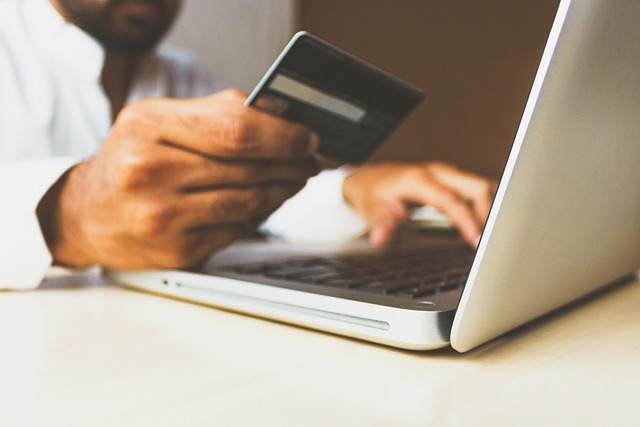
eCommerce platforms like Shopify and WooCommerce are necessary for long-term success in dropshipping. Why? They provide the functions that sellers need and cannot replicate on their own. This includes a shopping cart feature and secure payment processing. Users can also build separate pages for each product.
Platforms also give users data collection and analytics. Also, these sites automatically optimise pages for mobile devices.
Prices are £30 per month for basic plans. There are free trials and promotional offers for new users. These include discounted rates for the first one to three months.
New dropshippers can take advantage of these offers. However, they'll need to pay the regular monthly fees eventually.
Domain Name and Branding
A domain name is important for branding and customer trust. A unique domain lets customers know that they are visiting a business site rather than a new dealer. Subdomains are often seen as less trustworthy. People would rather visit mydropshippingsite.com than shopify.com/mydropshippingsite.
Domain names are inexpensive, costing around £10 per year. Other branding expenses, such as logo and site design, are important. However, these aren't necessary for new startups. Dropshippers can handle the design themselves or hire a pro later.
Samples and Inventory
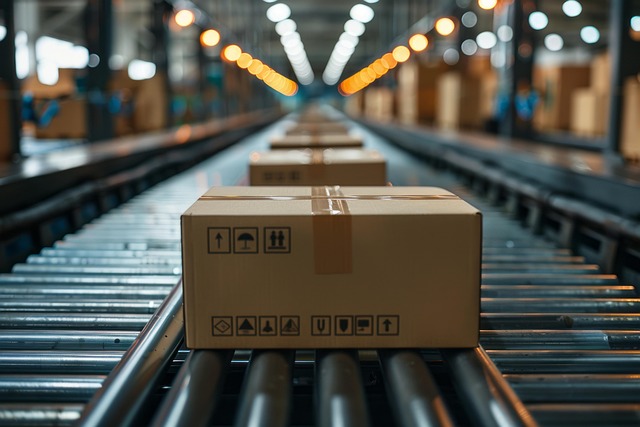
One of the biggest advantages of dropshipping is the lack of inventory. New businesses don't need to spend thousands on products and warehouse space.
That said, dropshippers depend on suppliers to give their customers quality products. Buying samples lets them check quality before they start selling. Poor products can lead to unhappy customers and bad reviews. Investing in samples lowers the risk of such problems.
This part of the startup budget depends on the type of products the dropshipper plans to sell. One of each product, or a few products from the chosen supplier, is enough to test quality.
Marketing and Ads
Marketing is the biggest expense for dropshippers. This includes social media ads on Facebook, Instagram, and TikTok. There are also options like paid search ads from Google.
Initial testing can cost £100-£500. Some dropshippers can spend up to £1,000 to refine ad strategies. The info from the initial tests makes it possible to find the best ads. There won't be any money wasted on ads that don't convert.
It's possible to start with organic traffic from social media. This can take time unless the drop shipper already has a popular social media account. Organic traffic doesn't require money, but there is a major time investment. It can take months to build an audience.
Other Tools
Other tools include analytics software and automated email marketing software. AI-powered automation tools like website chatbots can also be useful in some situations. These systems can be expensive. Luckily, they are not absolutely necessary for startups. It's possible to use demos or free trials to gauge the usefulness of such tools. It's possible to add them one by one as the business grows.
Example Budgets for Different Starting Levels
Here are examples of dropshipping costs for startups.
- A £0 bootstrap model can include organic traffic from social media. It can also feature a free trial of Shopify (or a promotion such as £1 per month for the first three months). This would include a subdomain (store.shopify.com). In this setup, the business would only rely on free versions of apps.
- A £300 budget basic model can include £40 per month for a basic Shopify subscription and £10 for a domain name. Product samples might cost £100. Another £100 could be used for ad testing on TikTok and Facebook. That would leave £50 for analytics or email marketing apps. The remaining £50 could also be saved for unexpected expenses.
- A £500+ setup would include everything in the £300 example. An additional £50 could go to a premium storefront theme or professional logo design. That would leave £150+ for more in-depth ad testing. Any budget above £500 could be used for samples of more products or support apps.
A larger budget allows dropshippers to test products from different suppliers. This could be useful for finding the best quality.
Tips to Start Dropshipping on a Small Budget
The best way to limit expenses and stick to a budget is to plan carefully before listing any items for sale.
- Simplify by starting with one product. It will be cheaper to get samples. Also, all the ads can focus on one product. This ensures only people interested in the product will click on the ad.
- Start with organic traffic. Organic traffic is free. Dropshippers can get visitors to their site if they are willing to invest the time.
- Test ads before investing too much in them. Use A/B testing to find out which ads are more successful. Only use the ones that bring the most conversions.
- Use free trials or demos to test e-commerce platforms. Dropshippers should choose the one that best fits their needs.
Startups can add tools, apps, and software as they grow. They should focus on the fundamentals of site setup, testing, and marketing first. These tools can be added as the business grows.
How Much Should You Really Budget?
The initial dropshipping investment is less than traditional ecommerce startup costs. Realistically, dropshippers need to make a modest investment upfront. A small budget can make things easier. And it can increase the chances of success. £100 to £500 is enough for basic ad and product testing. It can also cover e-commerce platform fees and other startup costs.
Are you looking to get started and build a dropshipping business that drives consistent sales?
If so, whether you're a complete novice or already have a storefront and aren't seeing the results you want, this Free 4-Part Workshop Series can show you how to build a sustainable system for generating traffic and sales - even if you've never sold anything online before.
Latest posts
Best Dropshipping Business Ideas to Start in 2026
The dropshipping business model lowers the barrier to the e-commerce industry. Dropshippers sell items on a storefront, but…

Proven Ways to Make an Extra 1000 a Month
Knowing how to make an extra 1,000 a month in earnings can transform one's financial situation. Inflation continues…
Types of Income: Understanding the Different Ways to Earn Money
Money doesn’t just come from a paycheck. In many cases, a paycheck is a pretty decent earning, enough…